ServicesAboutBlogContact+44 7394 571279

Prototyping & Wireframing

De-risk significant product investment by making the experience tangible before committing development budget. Our prototypes align cross-functional stakeholders, surface critical usability issues early, and give engineering teams a clear implementation target — all at a fraction of the cost of building the wrong thing.

End-to-end user flow mapping with decision-point analysisProgressive fidelity wireframing (low to high)Facilitated cross-functional stakeholder review sessionsHigh-fidelity clickable Figma prototypesUser testing on prototypes with representative participantsEdge case and error state documentationEngineering estimation support from prototype specificationsDecision log and rationale documentation
Chat on WhatsAppFree Consultation

Enterprise Prototyping: De-Risk Investment by Validating Before You Build

In enterprise product programmes, discovering a fundamental experience problem after development has commenced carries a cost measured in weeks of rework, delayed roadmap commitments, and stakeholder confidence that is difficult to recover. The scale of investment at stake — often six or seven figures — demands that the experience logic is validated before engineering resources are committed. Prototyping and wireframing serve precisely this function: making the intended experience tangible, testable, and reviewable at a stage when change is measured in hours of design iteration rather than sprints of re-engineering.

Our Progressive Fidelity Methodology

We calibrate the fidelity of our work to the decision that needs to be made. Low-fidelity artefacts resolve structural questions quickly. High-fidelity prototypes validate detailed interactions and build the stakeholder confidence required for investment approval.

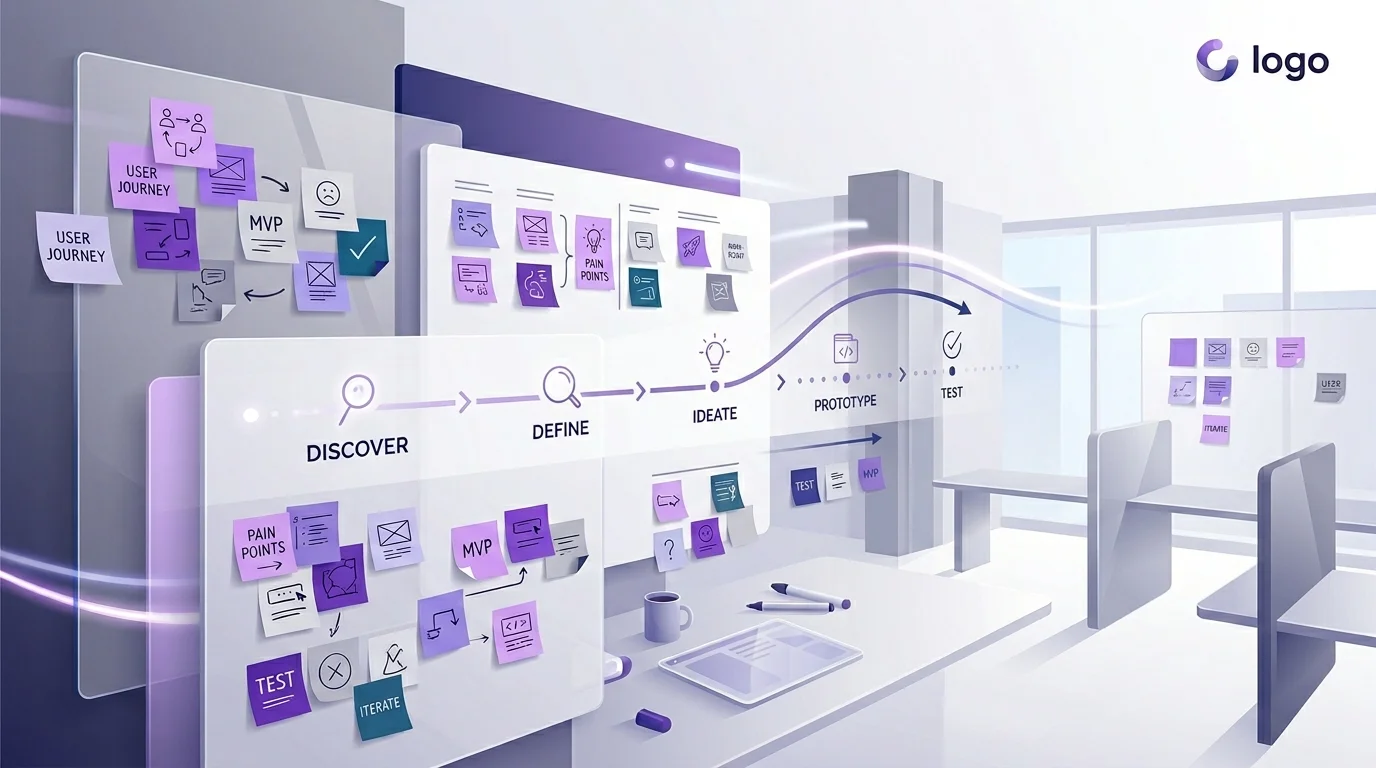
  1. Journey Architecture: Before any screen is designed, we map every primary and secondary user journey end-to-end — identifying decision points, conditional branches, error paths, and edge cases that must be addressed in the experience structure.
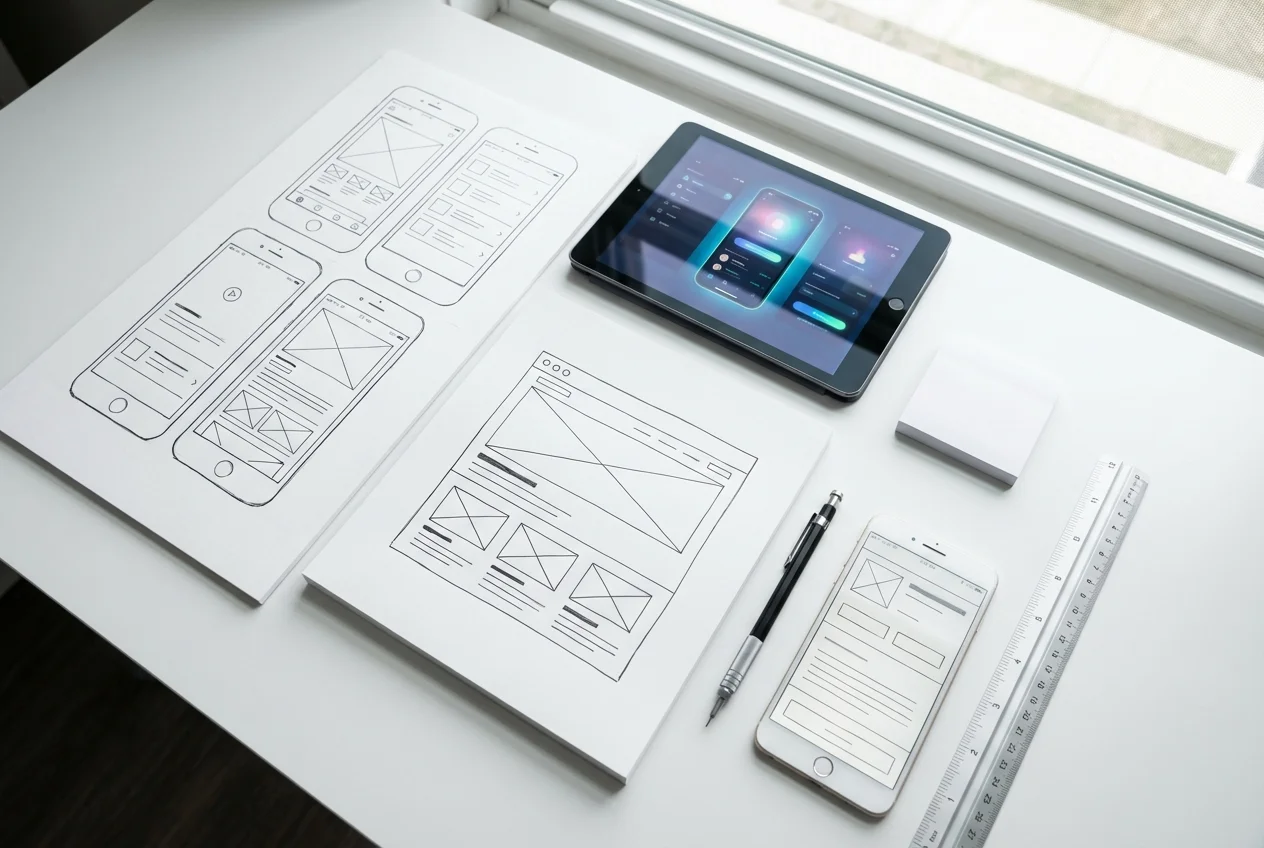
  2. Structural Wireframing: Greyscale layouts explore information hierarchy, navigation architecture, and content placement without visual design distraction. Multiple structural approaches are explored and evaluated against user evidence and business requirements.
  3. Cross-Functional Review: Wireframes are presented in facilitated sessions designed to surface product, commercial, and engineering perspectives simultaneously. Feedback is documented, decisions are recorded with rationale, and alignment is confirmed before fidelity increases.
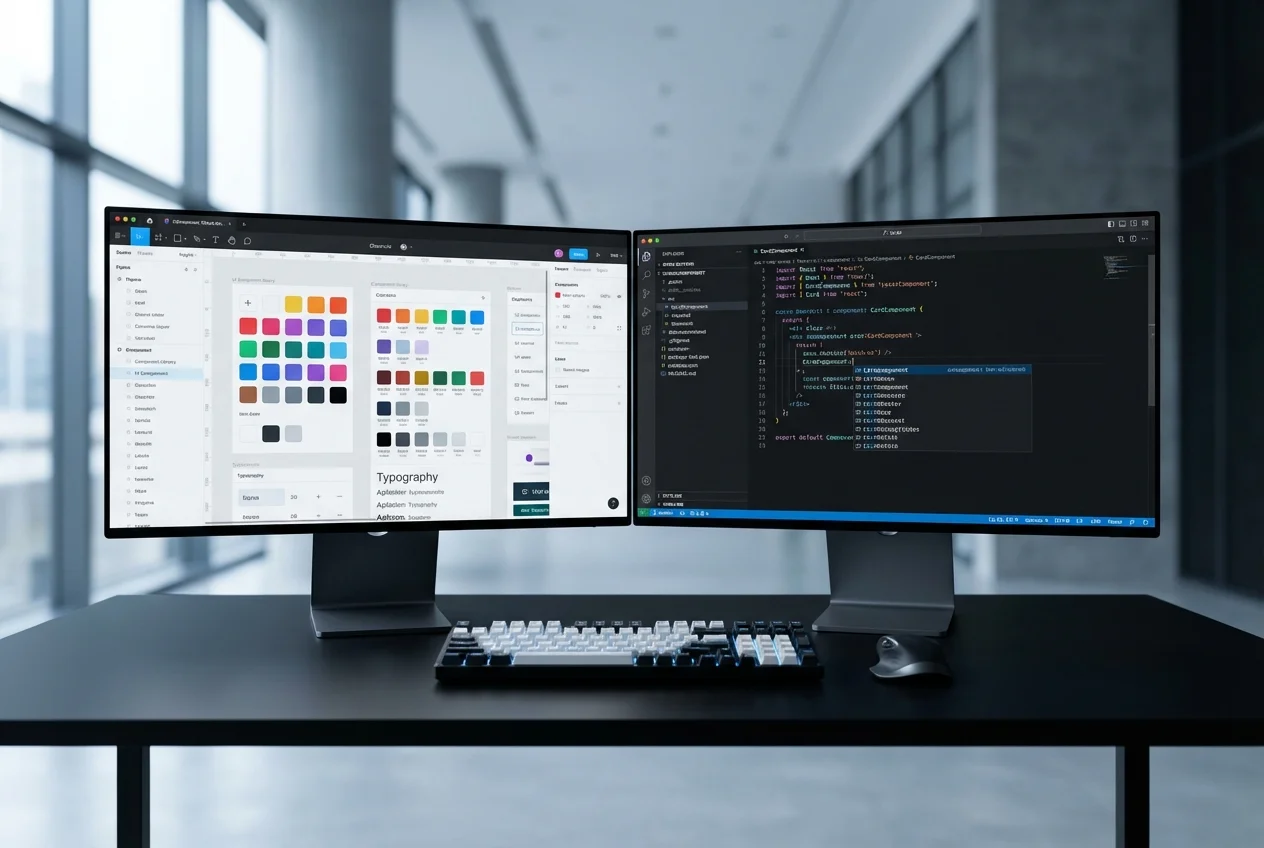
  4. Interactive Prototype Development: Approved structural designs are developed into fully navigable Figma prototypes with realistic interaction patterns, suitable for executive demonstration, user testing, and engineering scoping.
  5. User Validation: Where scope includes testing, the prototype is evaluated with representative users in moderated sessions. Findings are documented and the prototype is iterated to incorporate validated improvements before handoff to visual design or development.

Enterprise-Ready Deliverables

Every artefact is structured to serve multiple stakeholder audiences — from design teams to engineering leads to executive sponsors.

  • Comprehensive user flow diagrams covering primary journeys, secondary paths, and documented edge cases
  • Low-fidelity wireframe set for all defined screens with annotated information hierarchy rationale
  • High-fidelity clickable Figma prototype with realistic navigation and interaction patterns
  • Stakeholder review documentation with decision log, feedback annotations, and alignment confirmation
  • Usability testing report with findings, severity ratings, and recommended design responses
  • Engineering estimation brief with prototype specifications to support scoping and sprint planning

When Prototyping Prevents Costly Mistakes

Your organisation is planning a feature development programme with a budget exceeding six figures and needs to validate the experience architecture before engineering begins. Cross-functional stakeholders — product, commercial, technology, compliance — hold divergent views on what the product should do, and the disagreement is consuming planning cycles without resolution. Previous feature releases have met technical requirements but failed to achieve adoption because the experience logic did not match how users actually work. A usability testing programme is planned and requires a testable artefact that represents the intended experience without requiring full visual design investment. In each of these scenarios, prototyping transforms abstract debate into concrete evaluation — and the cost of prototyping is negligible compared to the cost of building the wrong experience.

Why UX Agency London for Enterprise Prototyping

Our prototyping practice is built around stakeholder alignment as much as design craft. In enterprise environments, the prototype is frequently the primary vehicle for securing design approval, informing engineering estimates, and building executive confidence in a product direction. We structure our review sessions to surface cross-functional concerns, document decisions with traceable rationale, and produce artefacts that serve product strategy, engineering planning, and user validation simultaneously. Our senior team has facilitated prototyping programmes for regulated financial products, complex B2B platforms, and government digital services — environments where stakeholder complexity is high and the consequences of misalignment are significant.

If you are planning a significant product investment and want to validate the experience before committing resources, book a free consultation to discuss the scope.
Frequently Asked Questions

A focused engagement covering a single primary user journey — from journey mapping through wireframing to a validated clickable prototype — typically takes three to five weeks including one round of stakeholder review. A comprehensive programme covering multiple journeys across a complex product, with facilitated cross-functional reviews and usability testing, typically takes six to ten weeks depending on stakeholder availability and review cycle requirements.

Related Articles

More Services

UX ResearchUX AuditUI DesignUX StrategyFrontend DevelopmentFigma to Code

Let's build something great together — get in touch

Ready to Get Started with Prototyping & Wireframing?

Start Your SaaS Journey
Prototyping & Wireframing | UX Agency London