Interface Design Agency London | How Interface Quality Defines B2B Product Success
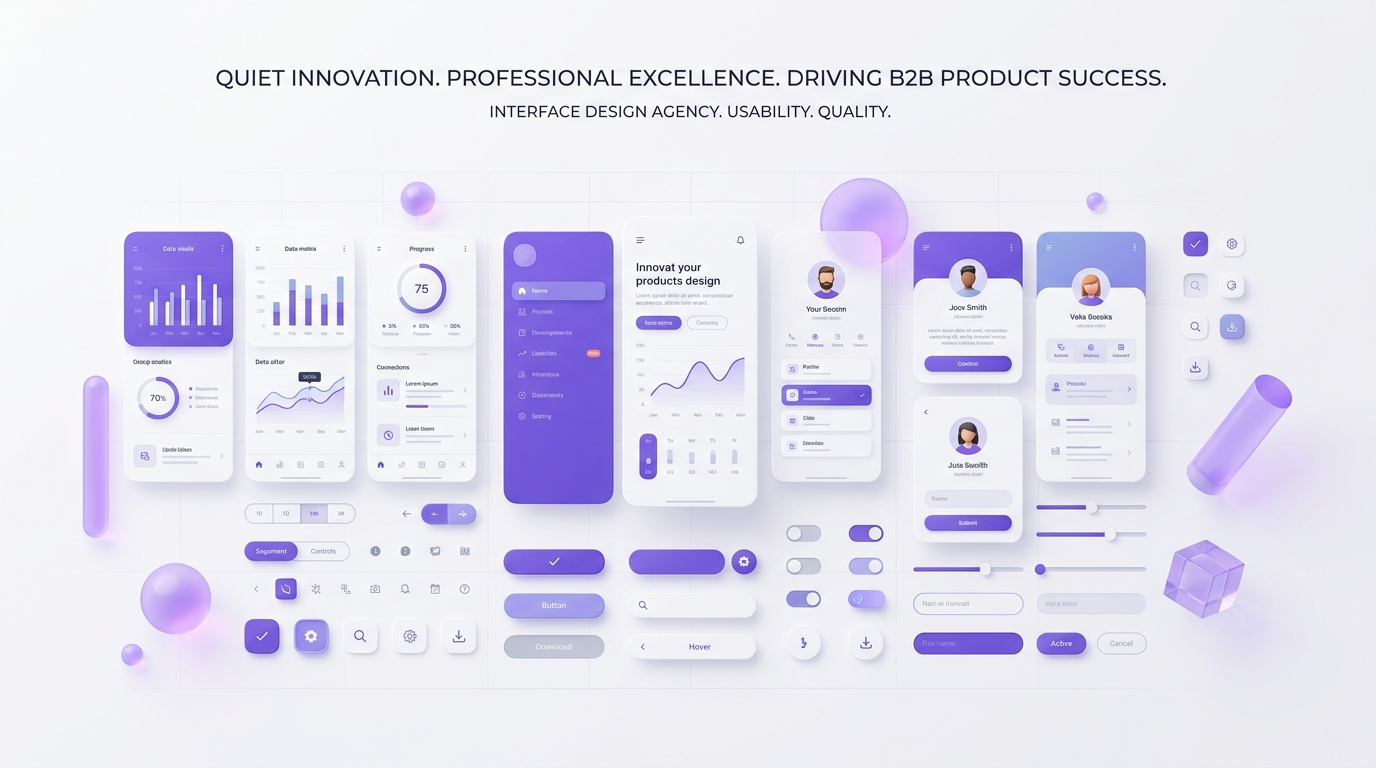
Why Interface Design Is the Decisive Layer in B2B Product Success
Enterprise software buyers in 2026 have spent years using consumer applications with exceptional interfaces — and they no longer accept the assumption that B2B software is inherently harder to use. When a B2B product is adopted, renewed, and expanded within an enterprise customer, interface quality is the most consistent differentiator. When a product is churned, poor interface design is cited in 55–70% of post-churn interviews. And yet most B2B products are still designed by generalist agencies that treat interface design as the final step in a feature development process, rather than the strategic layer that determines whether the product gets used at all.
This is the problem a specialist interface design agency London solves — not by making software look better, but by making it work better for the specific professional users who have to use it every day.
What a London Interface Design Agency Actually Delivers
The term "interface design" covers a wide spectrum. In the context of B2B digital products, a London interface design agency delivers three interconnected services:
- Information architecture and navigation design: The structural layer — how features are organised, how roles navigate, how the product scales as users do more complex tasks. This is the layer that most determines whether a product is learnable and how long onboarding takes.
- Interaction design: The behavioural layer — how users input data, trigger actions, receive feedback, and recover from errors. In enterprise products, interaction design quality directly determines data quality and error rates at scale.
- Visual interface design: The perceptual layer — typography, colour, density, hierarchy, component design, and the design system that keeps large products consistent. In B2B, visual design also carries trust signals: an interface that looks polished signals that the software is maintained and supported.
A specialist interface design agency London team integrates all three layers — because improvements to one in isolation typically create problems in another.
Interface Design for B2B vs Consumer Products
B2B interface design differs from consumer interface design in four fundamental ways that most generalist agencies underweight:
- Power users are the primary audience, not first-time users. B2B software is used by professionals for hours every day. Interfaces optimised for discoverability (appropriate for consumer onboarding) create friction for expert users who know what they want to do. B2B interface design must serve both — a harder design problem than consumer-only.
- Multiple roles use the same product differently. An enterprise SaaS product might be used by analysts, managers, administrators, and executives — all with different goals, different data access, and different task patterns. Interface design that serves one role well often actively frustrates another. Role-based interface architecture is a B2B-specific discipline.
- Data density is a feature, not a flaw. Consumer interface principles push toward progressive disclosure and simplified screens. B2B professionals often need to see more data, not less — financial dashboards, operations tools, compliance systems. A London interface design agency that applies consumer minimalism to enterprise data-intensive products produces interfaces that feel clean in demos but fail in daily use.
- Error states are high-stakes. In consumer apps, an error is an inconvenience. In B2B software, an error during a financial transaction, a patient record update, or a logistics operation can have significant consequences. B2B interface design must treat error prevention, error detection, and error recovery as primary design concerns — not edge cases.
Usability Agency London: What the Research Process Looks Like
The distinction between an interface design agency and a usability agency London is, in practice, methodological. A usability agency frames its work around evidence — user research, usability testing, and measurable outcomes — rather than aesthetic preference or design trend. The best London interface design agencies operate as usability agencies: they design from evidence and validate decisions with real users before engineering builds.
A research-led interface design process for a B2B product typically runs:
- Cognitive walkthrough and heuristic evaluation: Expert review of the current interface against established usability principles, producing a prioritised list of issues before user research begins. This surfaces the obvious problems quickly and focuses research on the harder, non-obvious ones.
- Task-based usability testing: Structured sessions with five to eight professional users attempting representative tasks with no facilitation. This is the single most diagnostic usability method for identifying where an interface fails and why — real behaviour reveals issues that both designers and users cannot identify through introspection or surveys.
- Interface redesign with iteration: Redesigned interfaces are tested against specific tasks before being handed to engineering. The ROI on this step is significant: fixing an interface issue at the design stage costs roughly one-tenth what fixing it after engineering build costs.
How to Select a London Interface Design Agency for Your B2B Product
When evaluating London interface design agencies for a B2B engagement, these are the questions that separate specialist from generalist firms:
- Can you show us B2B case studies at comparable product complexity? A portfolio of consumer apps or marketing websites is not evidence of B2B interface design capability. Look for case studies in your product complexity tier — enterprise SaaS, data-intensive tools, multi-role workflows.
- What is your research methodology for understanding current user behaviour? Any agency that moves to design without a defined research phase is designing from assumption. A usability agency London firms trust will have a specific answer to this question.
- How do you design for power users and novice users simultaneously? This is the defining hard problem in B2B interface design. An agency that does not have a clear answer has not confronted it seriously.
- What does your design system deliverable look like? For any B2B SaaS product, the design system — not the individual screens — is what drives long-term interface consistency. Ask to see an example of the documentation format they deliver.
Interface Design as a Competitive Moat
In 2026's B2B software market, where feature parity between competing products is common and switching costs are lower than they were five years ago, interface quality is one of the few genuinely defensible competitive positions. Products that are materially easier to use get adopted faster, churn less, and generate more expansion revenue through organic internal growth within enterprise accounts.
Commissioning a specialist interface design agency London team to audit and redesign your core workflows is, for most B2B SaaS products, the highest-ROI design investment available — ahead of new features, visual refreshes, or marketing spend. Book a free UX review of your product and we will identify the three interface issues generating the most friction for your users — in a 45-minute session, no obligation.
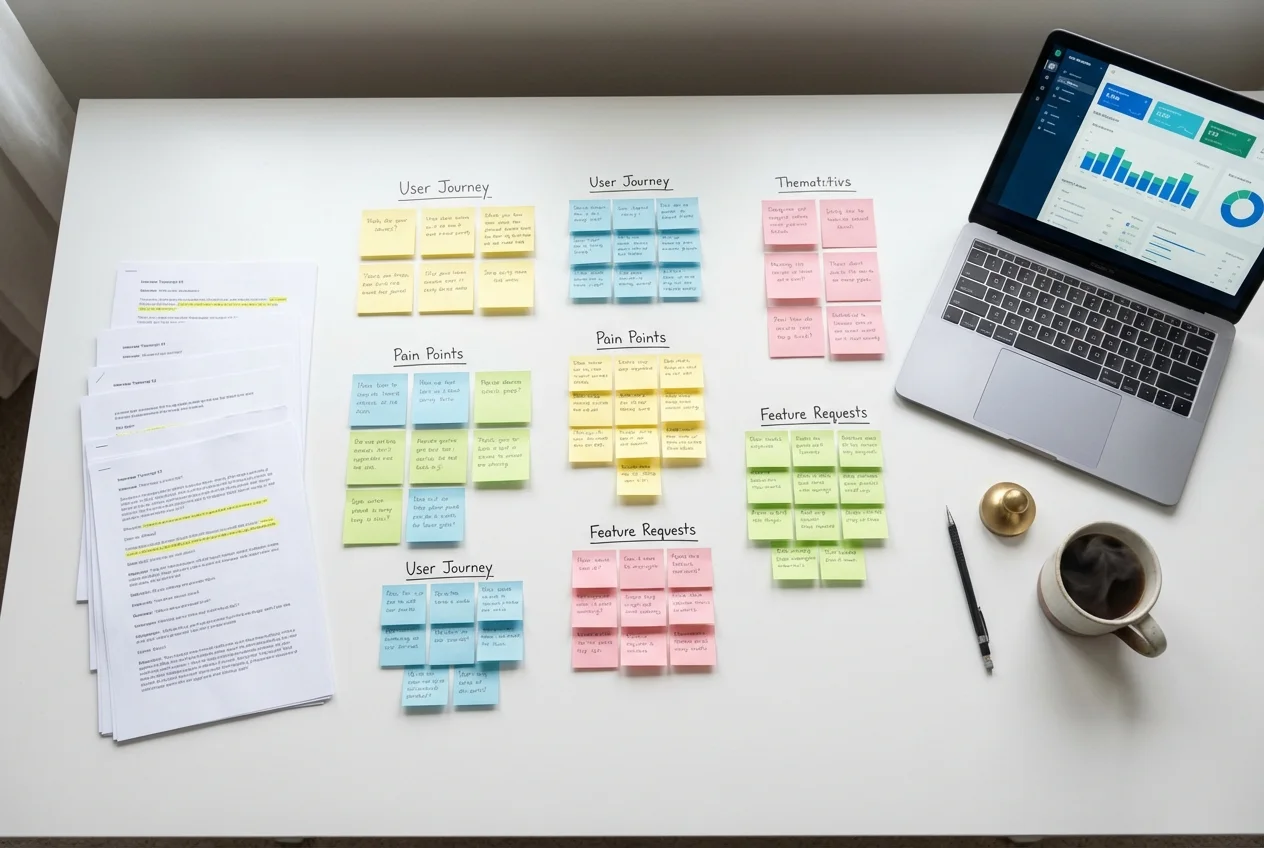 UX Research
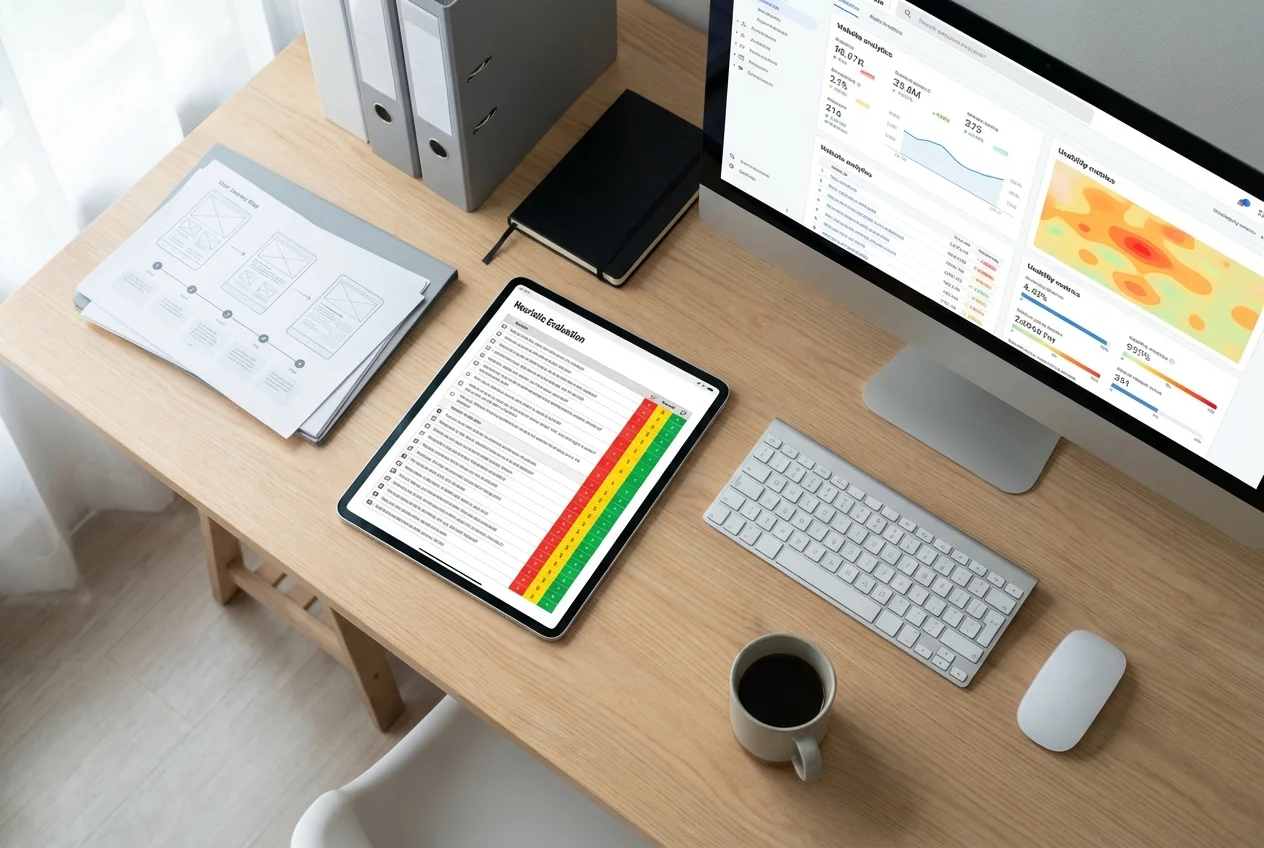 UX Audit
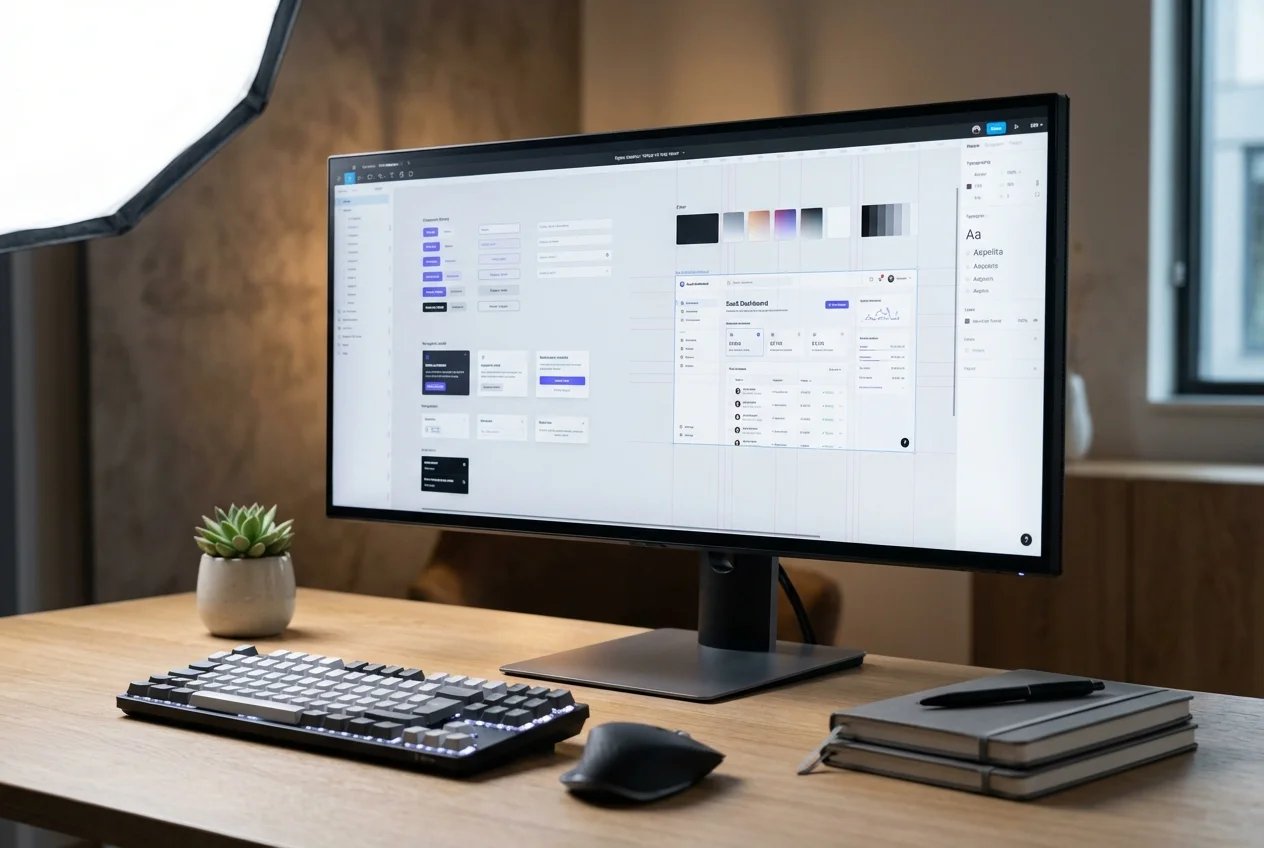 UI Design