Immersive UX Design Agency London: AR/VR Interfaces for B2B
What Is an Immersive UX Design Agency?
Choosing between an immersive UX design agency and a full-service experience design agency depends on scope — spatial specialists suit a single AR/VR product line, while a broader experience design partner covers web, app, and spatial interfaces under one research methodology.
An immersive UX design agency designs interaction and interface experiences for spatial computing — augmented reality (AR), virtual reality (VR), and mixed-reality interfaces where the traditional rules of screen-based UX (fixed viewport, mouse-and-keyboard input, 2D layout hierarchy) no longer apply. For London B2B companies building training simulators, industrial digital twins, remote-assistance tools, or enterprise AR overlays, this is a genuinely different discipline from conventional web and app UX — and one that very few London agencies practise credibly.
Our team works as a creative UI UX agency across both conventional and spatial interfaces, which means B2B clients building their first immersive product get the same research-led, outcome-measured process we apply to SaaS and fintech work — not a bolt-on "innovation lab" experiment.
Why B2B Companies Need a Specialist Immersive UX Design Agency
Spatial interfaces fail for predictable, avoidable reasons: designers ported flat UI patterns into 3D space without testing depth perception and comfort; onboarding assumed users were already fluent with headset controls; or the interface prioritised visual spectacle over the specific task the enterprise user needed to complete. A specialist immersive UX design agency avoids these failure modes by treating spatial UX as its own research problem — testing prototypes on real target hardware with real target users, not assuming that screen-based UX intuition transfers.
Interaction design for hands, gaze, and voice — not clicks
Spatial interfaces are controlled through hand tracking, gaze, controller input, and increasingly voice — inputs that have no direct equivalent in conventional UX heuristics. Designing for these requires prototyping in-headset early, not in Figma alone, and testing comfort and discoverability with real target users performing the actual enterprise task the product exists to support.
Cognitive load in 3D information architecture
Spatial UI can place information anywhere around a user, which is a strength for context-aware enterprise tools and a serious risk for information overload. A rigorous ar vr ux design london practice defines a clear information hierarchy for spatial layouts — what stays anchored to the user's view, what stays anchored to the physical environment, and what should never appear unless explicitly summoned.
Accessibility and physical comfort constraints
Motion sickness, prolonged headset wear, and physical accessibility differences all affect who can use a spatial product and for how long. An experienced digital ux agency working in this space designs session-length limits, comfort settings, and seated-use alternatives into the product from the outset — not as a post-launch accessibility retrofit.
How We Approach Immersive UX Projects
Every immersive engagement starts with the same discipline we apply to our conventional UX research and UX strategy work: defining the specific business task the spatial interface needs to support, testing early low-fidelity prototypes on the actual target hardware with real users, and measuring task completion and comfort — not just visual polish. For teams evaluating whether spatial computing is the right investment at all, our broader guide on choosing the best UX agency in London covers the evaluation framework that applies here too: research depth, senior involvement, and measurable outcomes over deliverable counts.
If your organisation is exploring AR, VR, or mixed-reality tools for training, remote assistance, or enterprise workflows, book a free 45-minute UX review and we will assess your use case, flag the biggest usability risks specific to spatial interfaces, and outline what a research-led immersive UX engagement would involve.
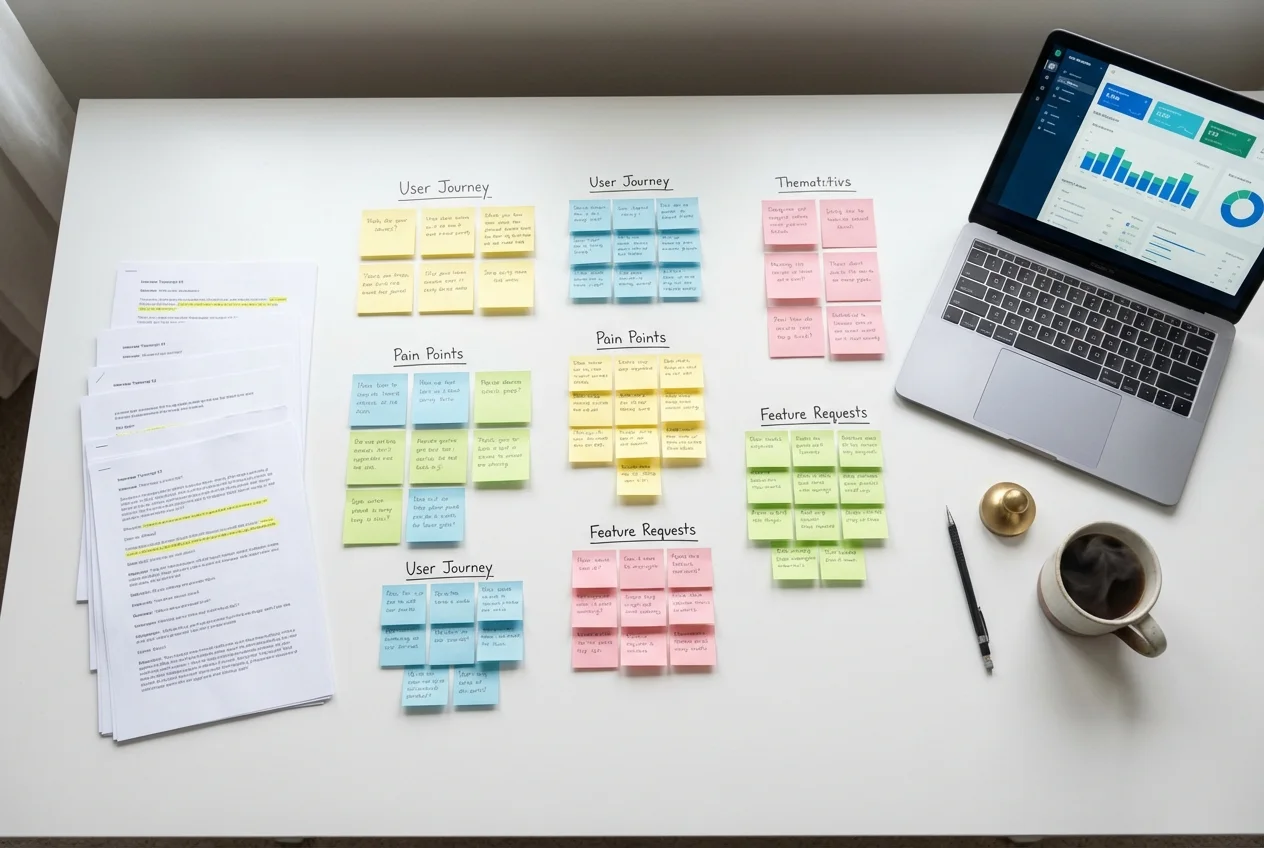 UX Research
 UX Audit
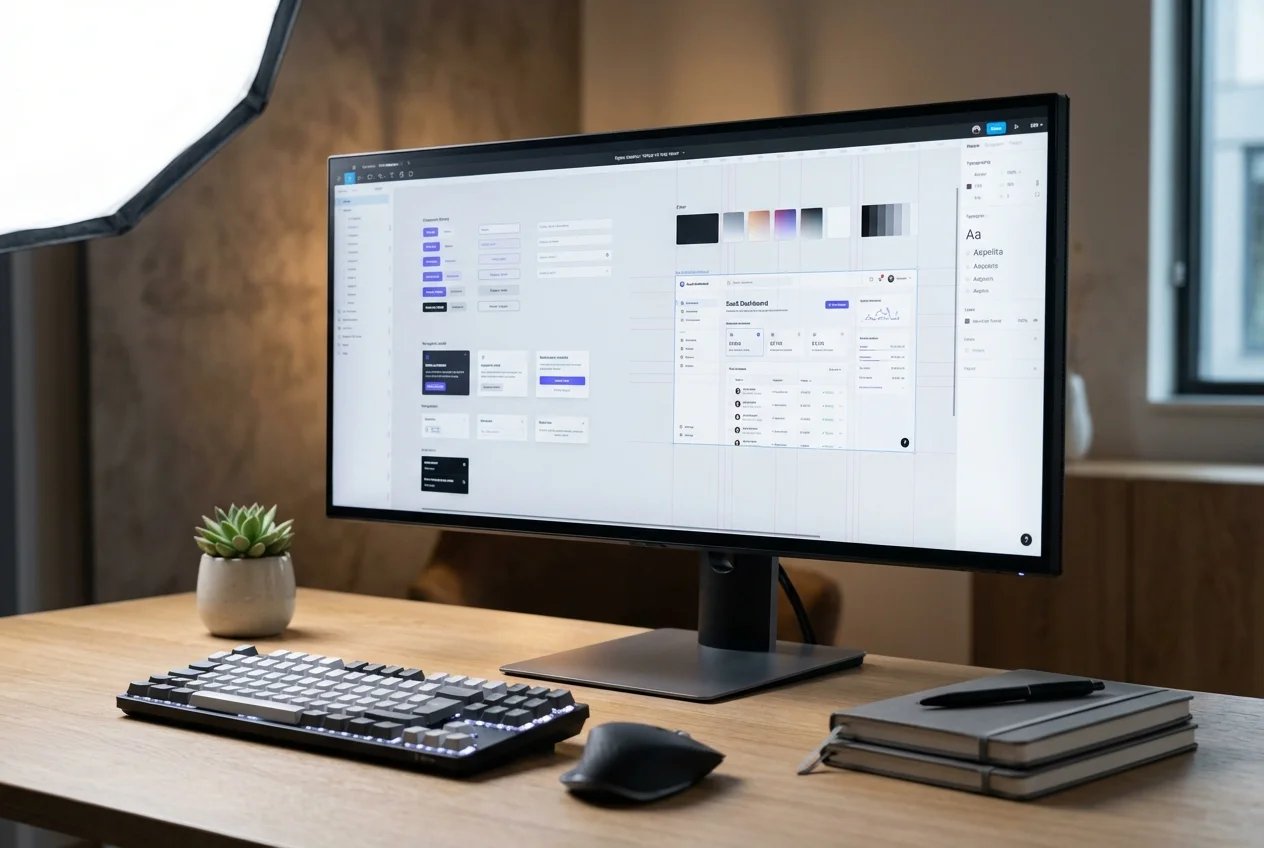 UI Design