UX Agency vs In-House Designer: What London Startups Get Wrong
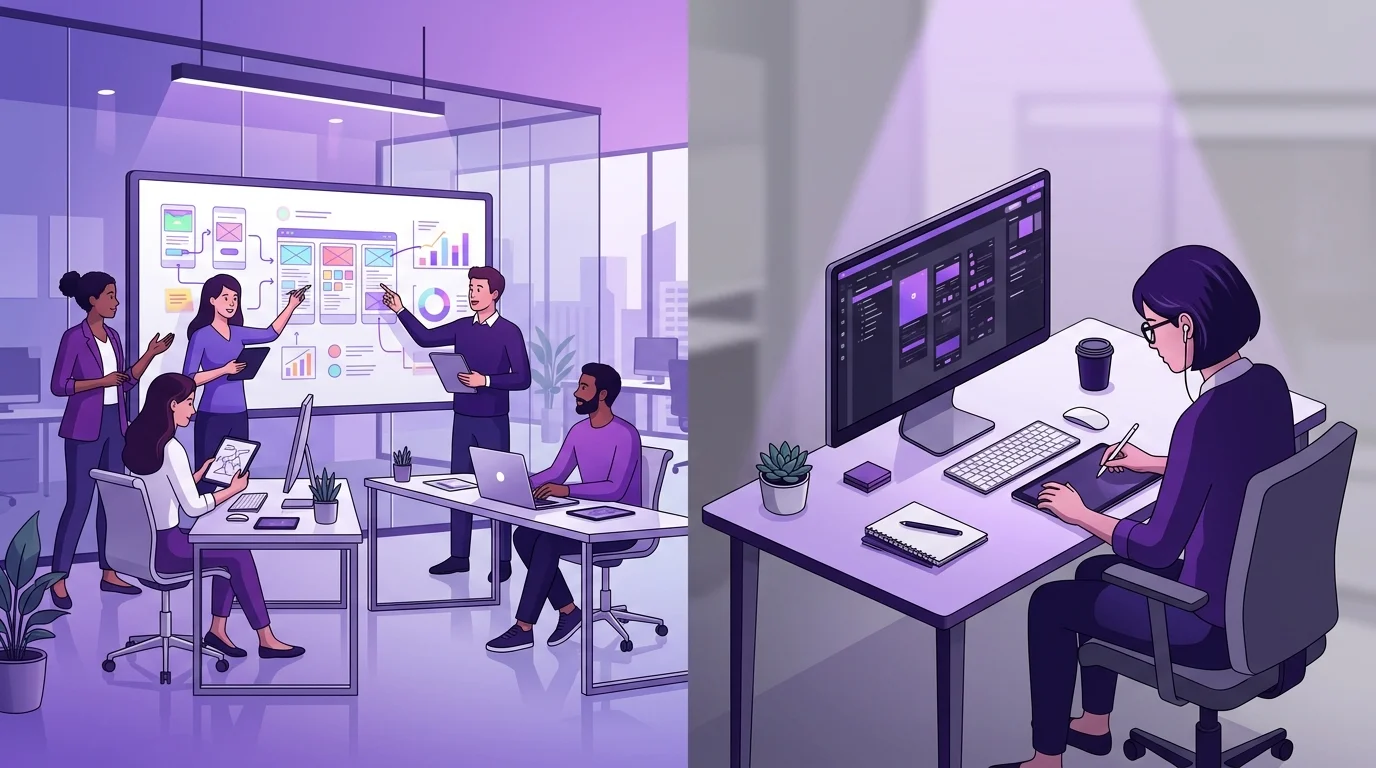
The Question Every Growing Startup Faces
At some point in the growth of almost every startup, someone in the room asks: "Should we hire a UX designer in-house, or keep working with an agency?" It's a reasonable question. As design work becomes more continuous and the product becomes more complex, the economics seem to shift. At least, they appear to.
Having worked with dozens of London startups at different growth stages, we've seen both decisions go well and go badly. The outcome usually comes down to whether the decision was made based on an honest assessment of needs — or on a flawed assumption about what each model actually delivers.
Here's our honest take.
What In-House Actually Gives You
An in-house UX designer, done well, gives you several things an agency can't replicate.
Deep Product Context
An employee who works on your product every day develops an understanding of its history, constraints, and user base that takes time to build. They know why the navigation works the way it does (even if the original reason is outdated). They've been in the Slack threads where users complained about the onboarding flow. That institutional knowledge has genuine value.
Availability and Responsiveness
If your head of product has a design question at 4pm on a Thursday, they can slack your in-house designer. They can't always do that with an agency that's running multiple client projects simultaneously.
Cultural Fit and Embedding
A good in-house designer becomes part of your product culture. They attend standups, sit with the engineering team, challenge product decisions in real time. That embedded presence is hard to replicate with an external team.
What In-House Doesn't Give You
Here's where most startups' assumptions break down.
Breadth of Expertise
One designer — even an excellent one — has one perspective, one set of skills, and one person's bandwidth. UX at its best is a team sport: a researcher who understands user psychology, a strategist who sees the product landscape, a UI designer who pushes visual craft, a frontend developer who understands technical constraints. You're unlikely to find all of that in a single hire at a startup salary.
Research Capability
UX research — proper, rigorous research — is a discipline in itself. Running useful user interviews, synthesising qualitative data, designing valid usability studies: these are skills that take years to develop properly. Many in-house "UX designers" at startups end up doing almost no user research because there isn't time, budget, or the right skills to do it well. Design without research is guesswork at scale.
Fresh Perspective
Proximity to a product creates blind spots. In-house teams often become so familiar with how something works that they stop being able to see it through new users' eyes. External teams bring genuine fresh perspective — they encounter your product as a new user does, with no pre-existing assumptions or defensive attachments to decisions already made.
Surge Capacity
When you're launching a major new feature, preparing for a fundraise, or doing a brand refresh, design work spikes. A single in-house designer gets overwhelmed. An agency can scale resource with the project.
The Cost Comparison: What the Maths Actually Says
The common assumption is that an in-house hire becomes cheaper than an agency beyond a certain volume of work. Let's actually do the maths.
A mid-level UX designer in London commands £50,000–£70,000 in base salary. Add 25–30% for employer NI, pension, holiday pay, and other employment costs, and you're at £65,000–£91,000 before you've paid for their Figma licence, their laptop, their training, or the management overhead of having an employee. A senior hire — which is what you actually need if you're making important product decisions — is closer to £70,000–£90,000 base, putting total cost at £90,000–£120,000+.
For that annual budget, what does an agency give you? At our rates, approximately 200–300 days of senior, multi-disciplinary design work per year — with a researcher, a UI designer, a strategist, and a frontend developer all available. For most startups at the seed to Series A stage, that's considerably more than they need.
The maths only flips in favour of in-house when design work is genuinely constant (not just periodic peaks), when the role requires deep product context that an agency couldn't build, and when the company is at a stage where the full employment overhead is manageable.
The Startup Stage Question
The right answer genuinely changes with company stage, and this is where we see the most mistakes.
Pre-Product / MVP Stage
You don't need a full-time designer. You need enough UX rigour to validate your assumptions and build something users can actually use. An agency engagement or a senior freelancer on a project basis is almost always the better choice. Hiring too early locks you into salary costs before you know what design problems you actually need to solve long-term.
Post-Launch, Pre-Series A
This is where the temptation to hire is strongest — the product is live, there's real user feedback, the team is growing, and design feels like a constant need. But it's also the stage where requirements are most likely to change rapidly, where getting the user research right matters most, and where a single perspective is most likely to create blind spots. An agency or senior freelancer with embedded delivery gives you the most flexibility here.
Series A and Beyond
As the product matures and design work becomes genuinely continuous, in-house makes more sense. The right model here is often a hybrid: one or two in-house designers for day-to-day product work, plus an agency retained for research, strategic design work, and surge capacity. This is our most common relationship with growth-stage clients.
The Mistake London Startups Make Most Often
The most common mistake we see isn't choosing wrong — it's choosing on the wrong criteria. Founders often default to in-house hire because it feels more "real", like proper commitment to design. Or they keep using an agency past the point when in-house makes more sense because changing the setup feels disruptive.
The honest question to ask is: what are the actual design problems we need to solve in the next 12 months, and what's the most effective way to solve them at our current stage and budget? That question doesn't always have an obvious answer, but it's the right one to start with.
If you're wrestling with this decision, we're happy to give you our honest view — even if the answer is that you should hire rather than work with us. Book a free consultation and let's think through it together.
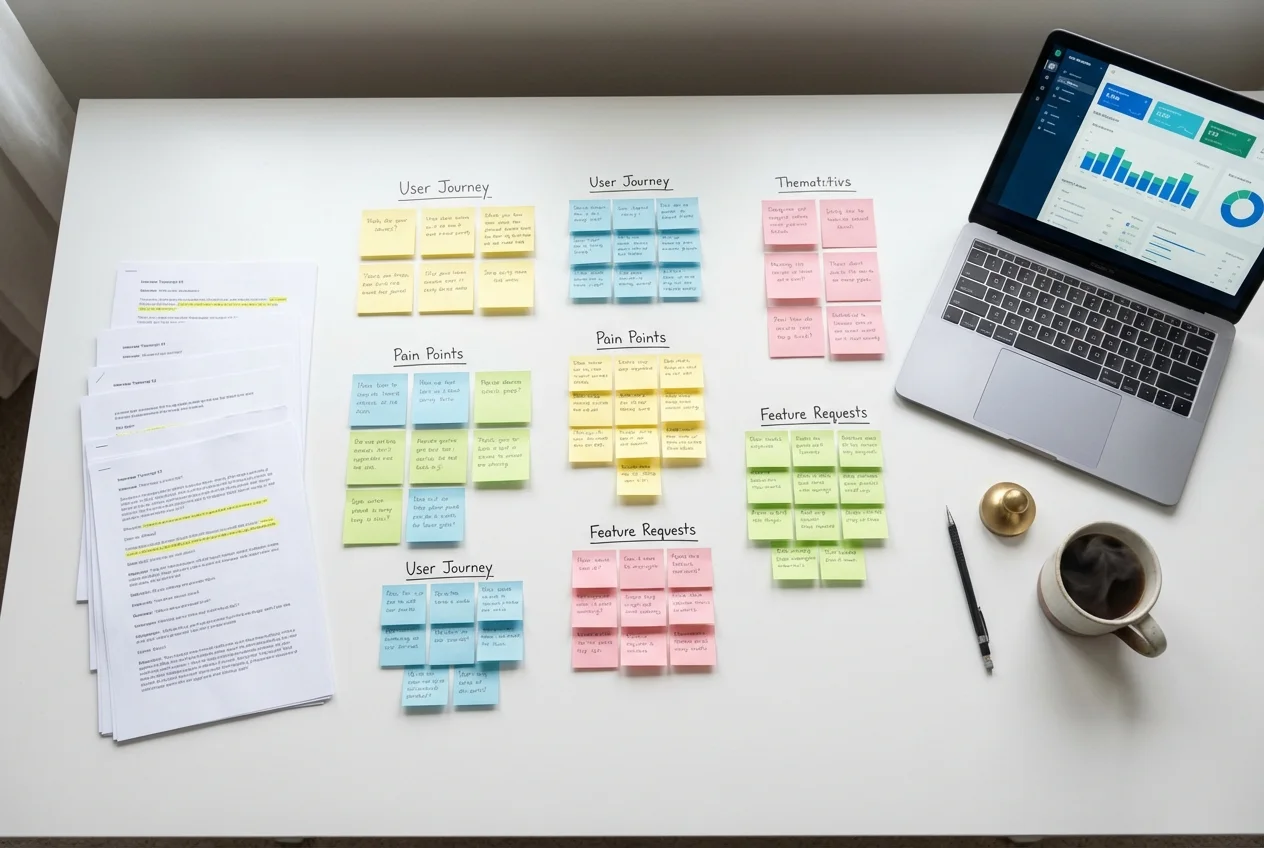 UX Research
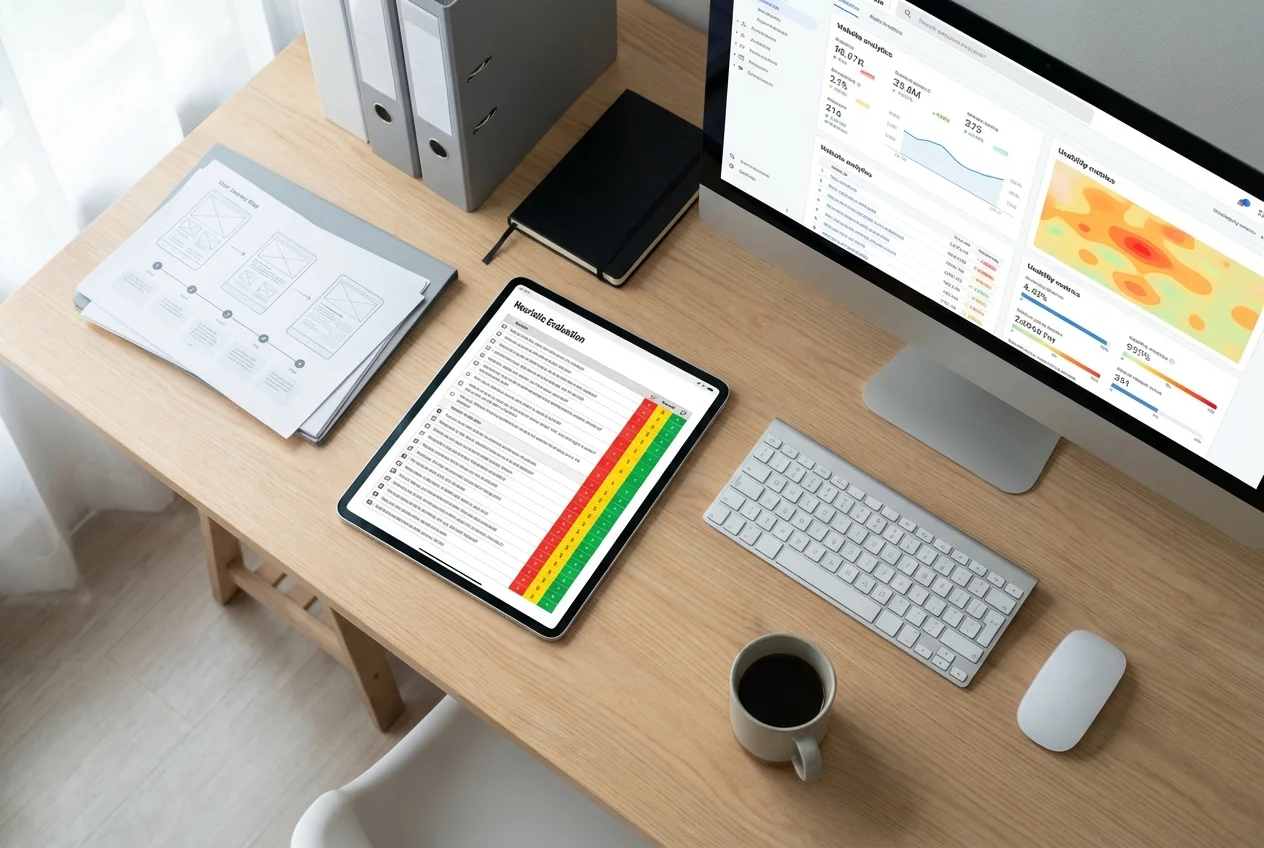 UX Audit
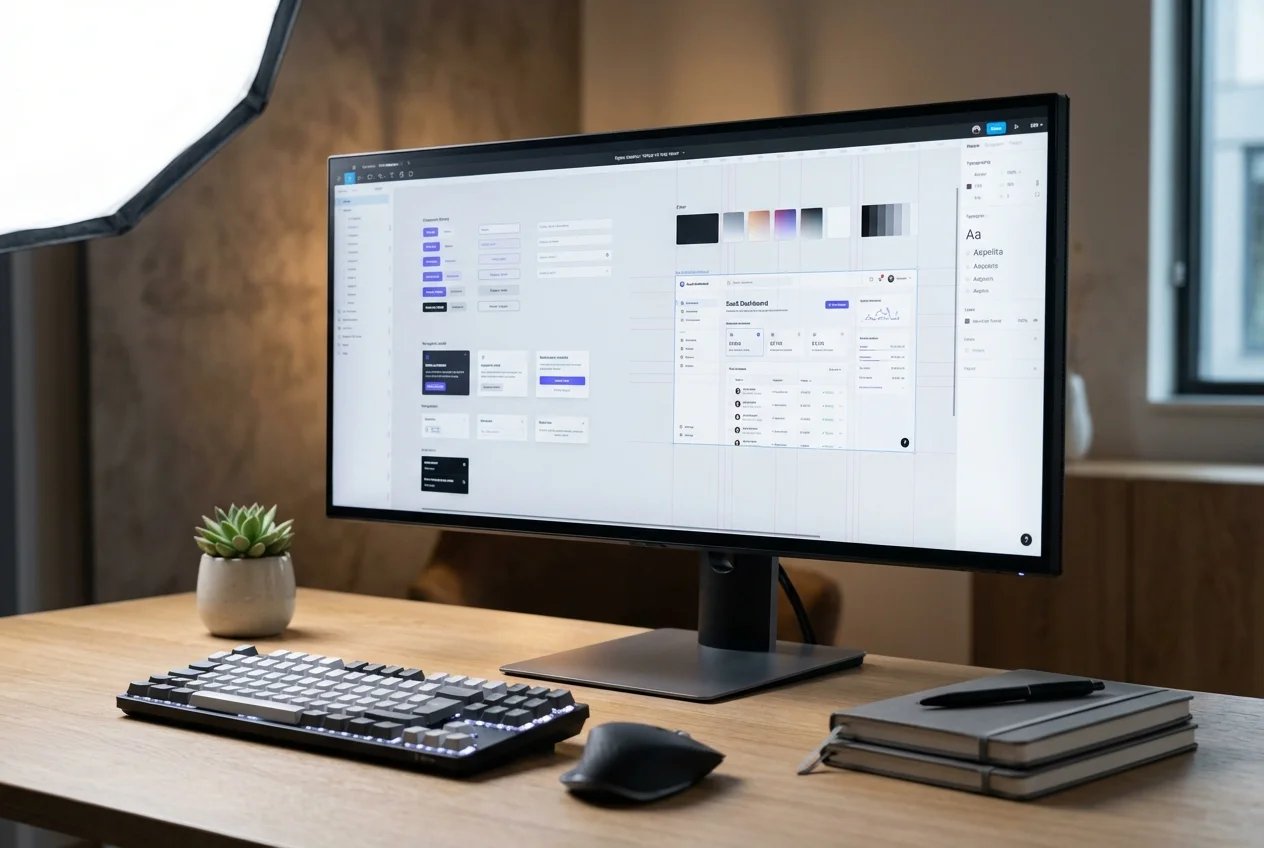 UI Design